




How the Federation Operates
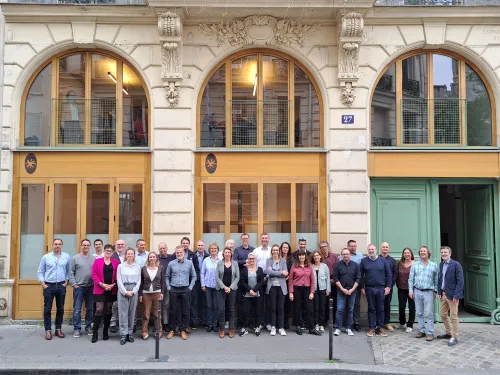
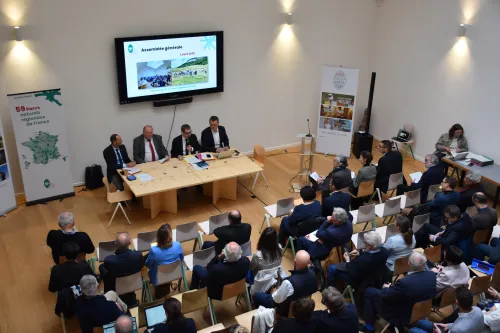
As in all the parks, the work at the Federation involves elected officials and technical staff. This work is organized around bodies with distinct roles.
The Federation’s work is based on a solid democratic model, divided between decision-making bodies (general assembly, executive board) and advisory bodies (presidents’ conferences, thematic committees). This network structure makes it possible to bring together political forces and technical expertise to define, structure, and advance the network’s national strategy.



Management
Eric Brua
Director
Sylvie Gauchet
Secretary-General
Maud Meunier
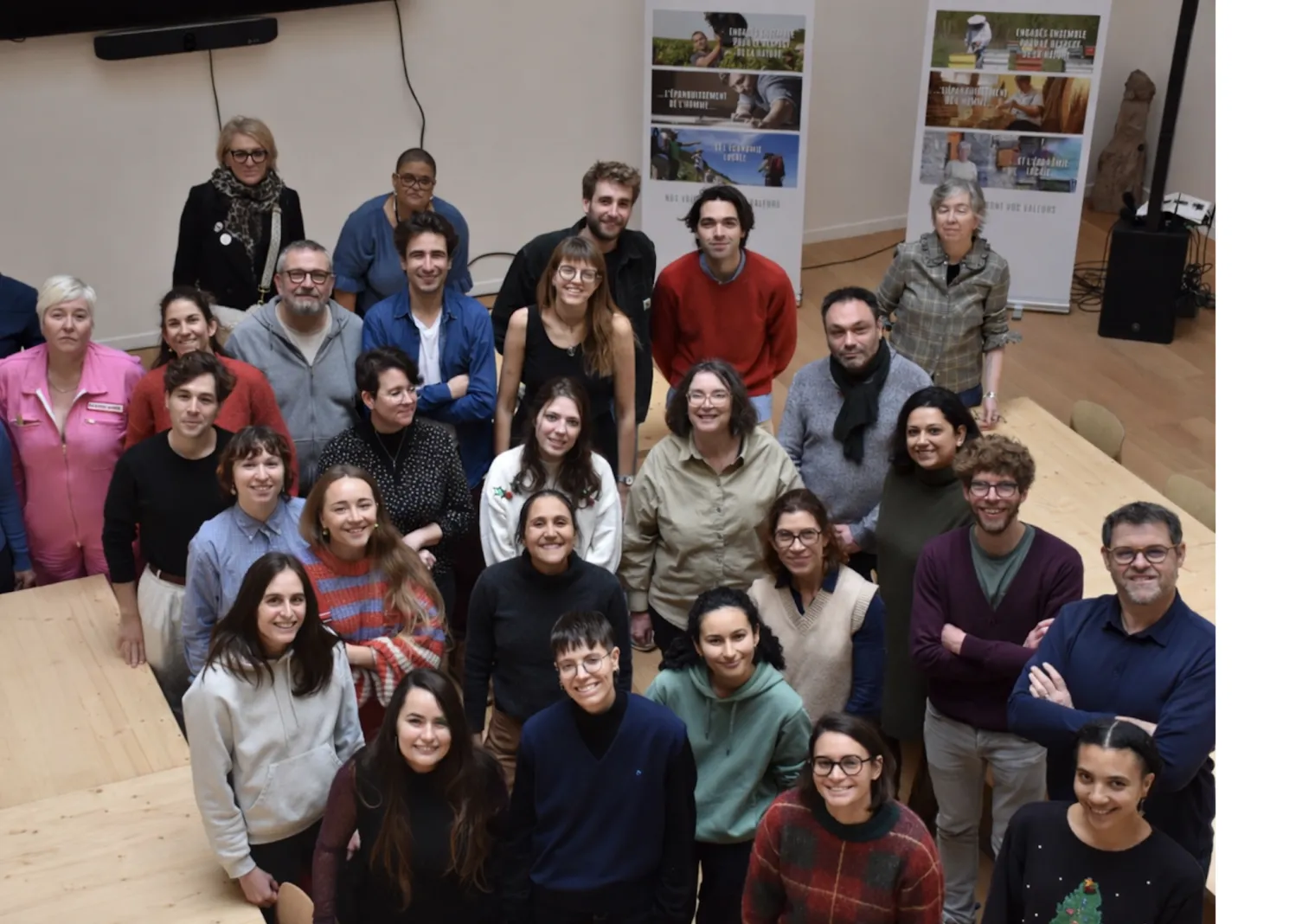
HR Payroll Administrative ManagerOur team
Stéphane Adam
Economic and Social Development, Tourism
Olivier André
Communication
Arnaud Bérat
Education and Culture
Agathe Benoit-Cattin
LIFE Grasslands and Protected Areas
Mélanie Da Cunha
Digital Communication
Vitor De Aquino
Administrative and Financial Management
France Drugmant
Agriculture and Food
Lamia Echailler
LIFE: The Challenge for Biodiversity-Positive Families
Clara Fontana
International Cooperation
Bastien Galant
Higher Education - Off-Campus Workshop
Floriane Goncalves
Communities and Biodiversity
Fabien Hugault
Charter - Higher Education
Léa Juret
Ecological Grids
Elsa Labouret
Administrative and Financial Management of “TERRAVIVA”
Anne Le Garrec
Executive Assistant
Florence Moesch
Agroecology and Agricultural Policies
Thierry Mougey
Biodiversity and Land Management
Philippe Moutet
Climate, Energy, and Architecture
Ophélie Peirin
Regional Marketing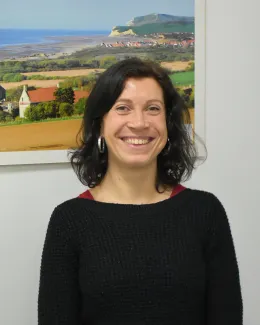
Aurélie Philippeau
Coordination Among Natura 2000 Networks and Regions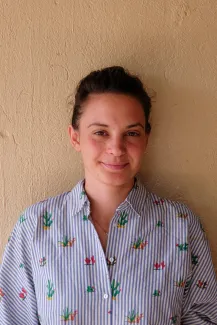
Léa Pourchier
Energy, Biodiversity, and Soils
Christine Rosse
Accounting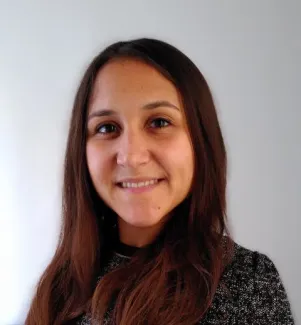
Léa Roumazeilles
Product Owner
Nicolas Sanaa
Land Use Planning
Maé Soulet
Life: Forests and Businesses
Anaïs Tessore
Policies and Classification Procedures
Nathalie Streib
Communication
Dominique Vespucci
Division AssistantPark Support

Laura Leotoing
Tourism
Gwennaëlle Pariset
Wolf
Gabriel Hirlemann
Geomatics
Pascal Lambert
Geomatics
The 10 committees
The committees serve as essential forums for coordination and discussion between the technical level and the strategic and political levels. They also provide a framework for the technical and financial consolidation of the Federation’s activities. The committees monitor the development and implementation of national strategies and policies in their respective areas. Under the auspices of the Executive Board, they also oversee the production of position papers, documents, and thematic events and meetings aimed at the network of regional nature parks.
Below is a summary of the year 2025 by committee.
Agriculture and Food
In 2025, the Agriculture and Food Committee affirmed the role of regional nature parks as full-fledged stakeholders in the agricultural and food transitions. Against a backdrop of significant pressures on agriculture and heightened expectations regarding local regions, the Parks hold a firm conviction: there can be no ecological transition without farmers, nor without recognition of the agricultural systems that underpin the resilience and identity of our regions. The work carried out this year aimed to develop a collective voice for the network, based on the Parks’ experience and a cross-cutting approach to agricultural, food, energy, and landscape issues. The development of a position paper on agrivoltaics, drafted through inter-commission collaboration, serves as a prime example of this. It complements other foundational initiatives led by the Parks, particularly those supporting permanent grasslands and pastoralism, and is part of a broader reflection on the conditions that enable agroecological practices to find meaningful opportunities through a more sustainable, locally-based, and relocalized food system. The Regional Nature Parks are thus establishing themselves as spaces for dialogue and mediation, capable of integrating agricultural production, food systems, biodiversity, and regional development.
Patricia Poupart, Chair of the Agriculture and Food Committee, Chair of the Baie de Somme Picardie Maritime Park
Biodiversity and Land Use Management
I am pleased to chair the “Biodiversity and Land Management” committee, supported by Pascal Duforestel (Marais Poitevin), vice chair, and the lead directors Clothilde Duhayon (Corbières-Fenouillèdes) and Fabrice Château (Périgord-Limousin). The committee met four times in 2025: March 18, June 6, September 16, and December 5. This forum for discussion brings together nearly 75 people at each meeting: approximately 60 elected officials and park staff, and 15 national partners, who are invited to speak, particularly during the segment “Partners Share Their Actions That May Concern the Parks.” The year 2025, focused on the issue of biodiversity, was marked by intense activity at the Federation, linked to the LIFE BIODIV’FRANCE program, the launch of two new initiatives—made possible by increased support from the OFB (the “local governments & biodiversity” mission throughout 2025, and the “ecological corridors” mission, since November 2025) and the dynamism of the cross-network mission “Natura 2000 and Territories.” As it does every year, the Federation has contributed to a range of public policies on “biodiversity,” notably the future “Acting to Restore Nature in France” plan (implementation of European Regulation No. 2024/1991) and the national action plan on wolves and livestock farming.
Michel Garcia, president of the Catalan Pyrenees Park, president of the Catalan Pyrenees Park
Charter Schools and Joint School Districts
The Charters and Joint Associations Committee was deeply affected by the loss of its dynamic chair, Laurent Marting, president of the Normandy-Maine Regional Nature Park, who passed away in July 2025, and pays tribute to him. The committee met three times during the year. In 2025, topics discussed included climate change modeling efforts within the Normandy-Maine Regional Nature Park; the presentation of a fact sheet on regional nature park charters and fire risk management; regular updates on the progress of the Territorial Observatory, established in 2024, were also presented; as well as the work carried out by the Federation and its partners on the topic of “Biodiversity and Local Authorities,” particularly the implementation of the rural amenities grant in the Parks. The year 2025 was particularly marked by the development of proposals to reform the procedure for revising Regional Nature Park charters, in collaboration with the Parks and the Regions, with the aim of cutting the cost and duration of the process in half, streamlining the procedure, and making it more efficient. Discussions also took place on topics related to the operation of joint associations, such as changes to European funding models and municipal elections.
Philippe Gamen, Interim President
Communication
The Communications Committee oversees the implementation of the communications strategy and its translation into an annual action plan. I am pleased to serve as its chair, supported by two vice chairs, Vincent Dedieu (Landes de Gascogne) and Dominique Santoni (Luberon). Yvon Brunelle (Avesnois), who had served as the committee’s lead director for several years, handed over his role this year to Céline Davril Bavois (Ardennes), who immediately took on the responsibility. The committee met on April 25 and October 22, monitored communication efforts, and supported the year’s major initiatives. Among the 2025 initiatives, I particularly note the transformation of digital tools following the 2024 audit. This took shape with the launch of the Destination Parcs platform and the rollout of the redesigned institutional website at the end of the year. Still on the digital front, I’d like to highlight the growth in the Federation’s LinkedIn following (now 36,000 followers) and the repositioning of all our social media channels. More routine but equally important are the biannual publication of *Parcs* magazine, which continues to allow us to reach elected officials and partners of the Parks and the Federation directly, as well as our adherence to the graphic guidelines, which were the subject of a webinar this year.
Catherine Marlas, Chair of the Communications Committee and President of the Parc des Causses du Quercy
Economy and Tourism
This year, the commission primarily focused its efforts on two areas: 1) Commitment to the “Destination Parcs” strategy while continuing work on the controlled development of tourist traffic and outdoor activities. This resulted in both the launch of the digital platform in June—along with a digital communications plan for social media—and, in parallel, continued efforts to address issues related to understanding visitor flows and managing visitor numbers (through a national working group and the rollout of Outdoorvision). 2) The project aimed at increasing businesses’ consideration of biodiversity as part of the Life Biodiv’France project. 2025 marked the completion of the pilot version of the tool designed to assess businesses’ impact on and dependence on biodiversity. This effort was supported by coordination from the group of four pilot parks. We also began sharing our experience with the entire network. The Commission met in its “Tourism” configuration on November 17 and in its “Economy” configuration on December 18. Each meeting provided an opportunity for discussion with our key partners and input from experts. As in previous years, cross-committee work continued in collaboration with the “Biodiversity and Land Use,” “Communication,” and “Branding” committees.
Michel Gros, Chair of the Economy and Tourism Committee, President of the Sainte-Baume Park
Europe and International
The year 2025 marks a pivotal milestone for the European and international activities of the Federation of Regional Nature Parks of France. Beyond the continuation of existing partnerships, this year has been characterized by an increase in the Federation’s leadership of projects, a marked strengthening of European advocacy, and better coordination between national, European, and international initiatives. In an increasingly challenging geopolitical and environmental context, the Europe and International Commission has continued to serve as a strategic forum for exchange, knowledge-sharing, and policy guidance. The projects carried out in Brazil and Mexico, the revitalization of the EUROPARC network, and the emergence of new cross-border and thematic partnerships illustrate the Parks network’s ability to engage in sustainable partnerships based on reciprocity, the long term, and the value of local areas.
Sophie Tubiana, Chair of the Europe and International Affairs Committee, President of the LoireAnjou-Touraine Park
Forest
The year 2025 reaffirms the vital role of regional nature parks and protected areas in transforming our forestry policies. The actions taken this year illustrate a clear strategic direction: making forests a driver of resilience for our regions. The publication of the Compendium of Initiatives for Forest Biodiversity attests to the dynamism of regional nature parks in this area. Everywhere, teams have experimented, innovated, and demonstrated that the forestry transition is taking shape at the local level, alongside the people who live and work there. Forest management that preserves biodiversity is not incompatible with the profitability of forestry operations—quite the contrary. The economic dimension remains more crucial than ever. Promoting high-quality silviculture, supporting stakeholders, and highlighting best practices are deliberate policy choices. This 2025 report reflects a strong and coherent collective movement in which experiences and best practices are being shared. It compels us to move forward: to amplify, unite, and continue our efforts, with the conviction that our forests are at the heart of future solutions.”
Jacques Charron, Chair of the Forestry Commission and President of the Parc des Boucles de la Seine Normande
Values of the Regional Nature Park
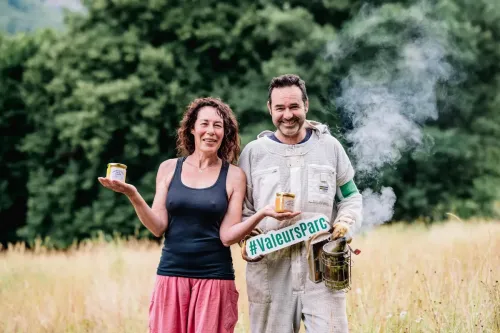
The commission’s work focused primarily on four areas: 1- Preparing the 2025 brand rollout plan and monitoring its progress, primarily in connection with the launch of the “Destination Parcs” digital platform, which builds on “Valeurs Parc.” 2- Work on the “crafts/industry” framework, broken down into three areas of expertise/trades: landscape maintenance, tree pruning, eco-renovation, and eco-construction, and related to the processing of products made from agricultural raw materials. 3- Recommendations and clarifications from the commission regarding labeling policy in two areas: brand management for parks outside the reclassification timeframe, and the scope of exemptions concerning the territoriality criterion. 4- Discussion and exchange on three labeling issues that intersect with other initiatives: collaboration and partnerships with travel operators as part of the vacation labeling program, an initiative to assess the impact of and dependence of businesses within the Parks on biodiversity, and how this relates to the brand’s requirements, as well as continued efforts to incorporate the Parks’ brands into the EGALIM Act.
Éric Provost, Chair of the Brand Committee and President of the Parc de Brière
Urban Planning, Landscape, Climate, and Energy
In the field of land-use planning—and more specifically in the areas of urban planning, landscape architecture, climate, and energy— the year 2025 was marked by a sustained momentum of action, both in terms of contributions to public policy and in fostering the network and organizing key events on a national scale. As part of these efforts, a symposium was held from April 24 to 26, 2025, at the Maison Jean Monnet in the Haute-Vallée de Chevreuse Regional Nature Park, on the theme “Europe’s Landscapes and Gardens.” This event served as a key opportunity for reflection and discussion on European issues related to landscapes and gardens, drawing broad participation from the network’s members and their partners. In addition, a second event took place from November 13 to 15, 2025, in Chinon, within the Loire-Anjou-Touraine Regional Nature Park, in partnership with ICOMOS France. Focused on tools for protection and enhancement within the context of local projects, this workshop provided an opportunity to integrate heritage, landscape, and operational approaches for the benefit of local communities. In addition to these events, several webinars were organized to explore specific issues in greater depth, promote the sharing of experiences among parks, and identify the network’s needs—particularly regarding legislative changes, funding, and the use of external expertise. The commission also provided technical support by establishing a hotline dedicated to advertising enforcement, nearly two years after the government decentralized this authority.
Philippe Gamen, Chair of the Committee on Urban Planning, Landscape, Climate, and Energy, and Chair of the Massif des Bauges Park
Cultural Life, Education, and Social Ties
The “Cultural, Social, and Educational Life” committee helps define and implement cultural and educational initiatives throughout the year. I am joined in my role as chair by Dominique Allix (Monts d’Ardèche) and Laurent Laroche (Brenne). The liaison directors were Laurence Dervaux (Boucles de la Seine Normande) through June and Olaf Holm (Montagne de Reims). Nathalie Sautter (Alpilles) took over as liaison director in July.
Jean-Jacques Boussaingault, Chair of the Committee on Cultural Life, Education, and Social Cohesion, and President of the Parc du Gâtinais Français
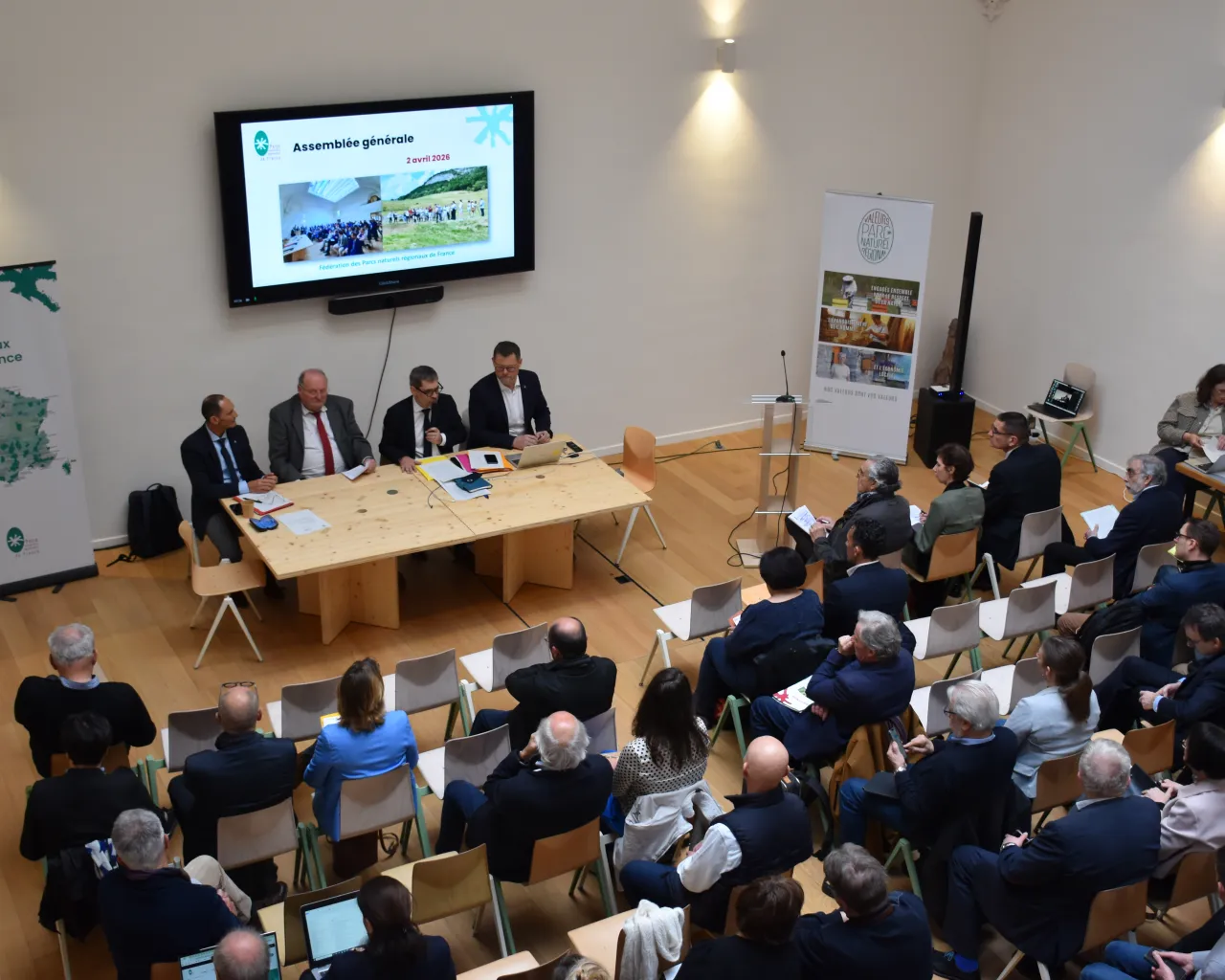
Members of the Federation
General Assembly, Executive Board, CORP, and Park Duos: Meet the members who steer our regions’ day-to-day operations. A collective committed to bringing the Park model to life.